
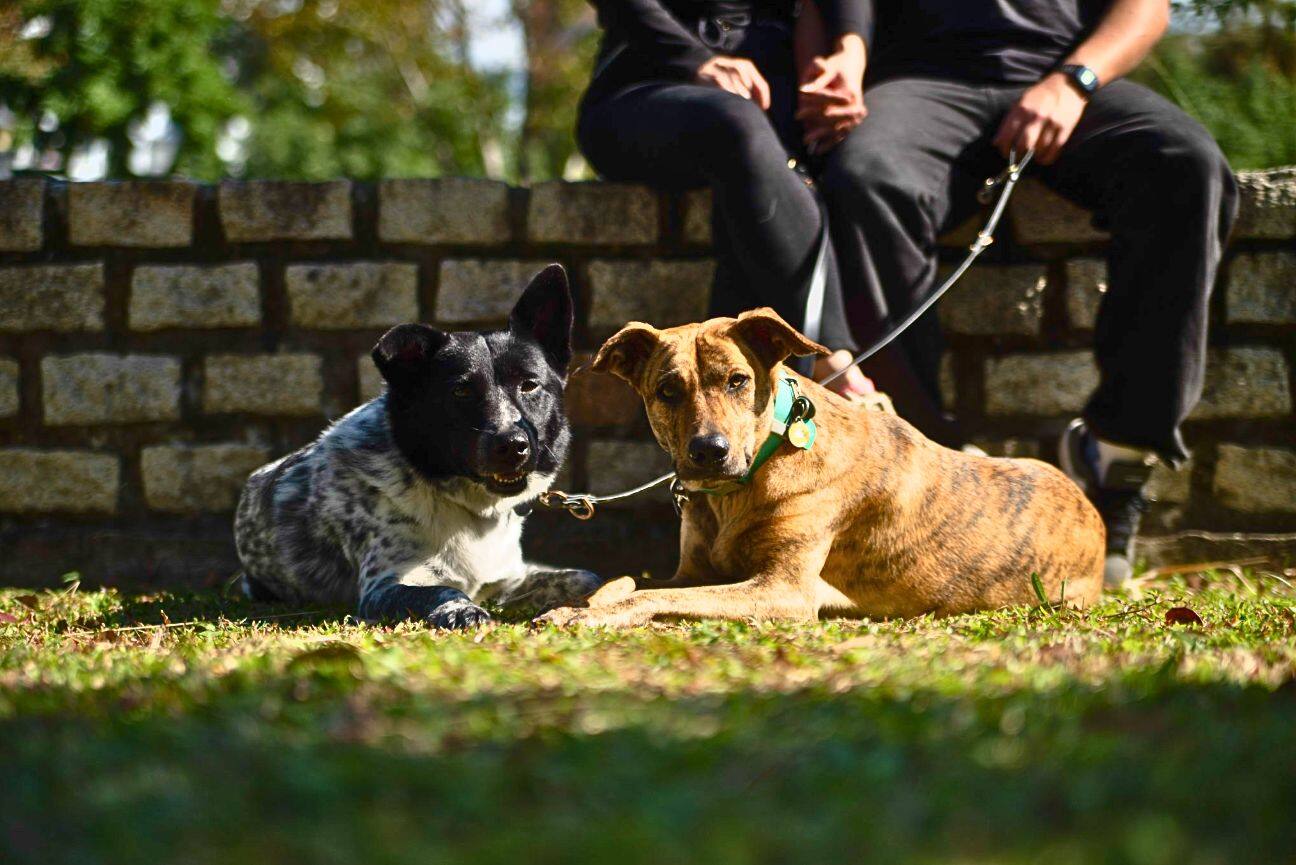
Most travel-health problems are preventable
Serious in-flight emergencies are rare. The health issues that actually crop up around a pet move — dehydration, an upset stomach, overheating, stress — are almost all preventable with a little planning before, during and after the flight to Taiwan. Think of your pet's wellness as three windows, each with a short job to do.
Before: build a healthy baseline
- Fit-to-fly vet check. Screen heart, kidneys and airways; confirm your pet is well enough to travel — the same workup that matters most for senior dogs.
- Don't change food right before the trip. Keep the diet stable so travel isn't layered on top of a new stomach.
- Condition the crate. A familiar den lowers the stress hormone load before you even leave — see travel prep.
- Never sedate. The clearest health rule of air travel — sedation is risky at altitude.
During: hydration, temperature, calm
| Risk in transit | How you manage it |
|---|---|
| Dehydration | Spill-proof water bowl clipped to the crate door, topped up at check-in; freeze a small water bowl so it melts slowly in flight. |
| Overheating | Travel in a mild season, avoid summer embargoes, choose a direct route to cut tarmac time. |
| Nausea | A light meal several hours before, not right before departure. |
| Stress | Familiar scent (an unwashed T-shirt) and a calm handover matter more than any gadget. |
After: the first days in Taiwan
Expect a tired, thirsty, possibly off-food pet for a day or two — normal decompression. Offer water freely, reintroduce food gently, and keep things quiet. Book a first vet visit in your opening weeks to baseline your pet locally, and follow the settling-in routines for dogs and cats.
When to call a vet
Want this handled for you?
Everything in this article is work 886JetPet does daily on the Taiwan corridor — the paperwork, the calendar, the airline, the arrival. One quote, one team, door to door.